FREE CAR REMOVAL 24/7

FREE CAR REMOVAL 24/7
Before selling an unwanted car in Sydney, check its condition, gather the relevant vehicle information, understand how its value may be assessed, compare the complete offers available to you and make sure you complete the required NSW disposal paperwork.
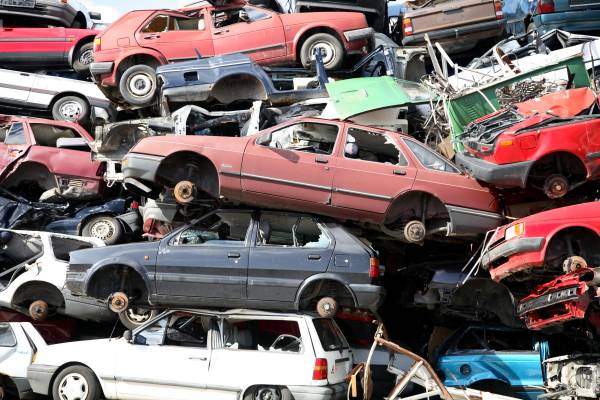
You do not necessarily need a perfectly running vehicle to sell it. Old, damaged, accident-damaged, non-running and scrap cars may still have value through reusable parts and recyclable materials.
The key is to understand the process before agreeing to a sale.
Start by assessing the overall condition of your vehicle.
Consider:
You do not need to repair every problem before requesting a quote. In fact, expensive repairs may not make financial sense for an old or severely damaged vehicle.
Provide an honest description of the condition so the buyer can assess the vehicle more accurately.
The value of an unwanted car is not determined by age alone.
A vehicle can have value through:
A non-running car can therefore still be worth selling even if it is no longer suitable for everyday driving.
The main factors can include the vehicle’s make, model, year, condition, location, running status, parts condition and recycling potential.
For example, two vehicles of the same age may receive different offers if one has a usable engine and transmission while the other has extensive damage or missing components.
Before selling, consider which method suits your vehicle and circumstances.
Selling privately can give you access to individual buyers, but you may need to:
This can be time-consuming, particularly when the vehicle is old, damaged or no longer running.
A professional Car removals Sydney service can be an alternative when you want to sell an unwanted vehicle and arrange its collection.
This can be particularly useful for:
Before accepting an offer, confirm the vehicle price, removal arrangements and payment method.
Having the basic information available can make the quoting process easier.
Prepare:
Photos of the exterior, interior and major damage can also help a buyer understand the vehicle before arranging collection.
An advertised maximum price does not necessarily represent what every vehicle will receive.
When comparing unwanted car buyers in Sydney, ask:
The amount you actually receive after any applicable costs is more useful for comparison than a headline figure.
If you are selling an unwanted car because you want it removed from your property, check whether vehicle collection is included in the service.
Ask the buyer whether:
Confirm these details before the tow truck arrives.
An unregistered vehicle can still have value, but the requirements surrounding its sale and transport can differ from those for a registered vehicle.
Tell the buyer that the car is unregistered when requesting a quote.
Do not assume that an unregistered vehicle can simply be driven on public roads. Collection arrangements should account for its registration status.
For current NSW requirements, check the relevant Service NSW guidance before completing the transaction.
The paperwork depends on the vehicle and the circumstances of the disposal.
For a NSW-registered vehicle, Service NSW states that sellers must submit a Notice of Disposal when they sell or dispose of the vehicle. The notice informs Transport for NSW that you are no longer the registered operator. (Service NSW)
Service NSW recommends submitting the Notice of Disposal immediately after the sale and keeping a copy of the notice and receipt for your records. (Service NSW)
You should also keep a record of the sale. Service NSW recommends a receipt or invoice containing relevant vehicle details, the date and time of sale, and buyer and seller information. (Service NSW)
NSW requirements can differ when a vehicle is sold to a wrecker.
Service NSW states that if you sell a NSW-registered vehicle with its number plates to a wrecker, you need to submit a Notice of Disposal. If a written-off vehicle is sold to a wrecker without number plates, the registration must instead be cancelled. (Service NSW)
Because requirements can depend on the vehicle’s circumstances, check the current Service NSW instructions before disposal.
Before handing over your unwanted car, check every storage area.
Look inside:
Also remove:
Service NSW also advises sellers to remove tags, passes and permits and delete the registration number from their toll account after disposing of a vehicle.
If your vehicle is subject to finance, check the outstanding financial obligations before selling it.
Service NSW recommends addressing outstanding finance and other financial obligations before selling a vehicle.
Do not assume that a vehicle can be sold without dealing with an existing finance arrangement.
If you are unsure about your situation, contact your lender before completing the sale.
Take photographs of your vehicle before collection.
Photograph:
Keeping a record of the vehicle’s condition can provide useful documentation for your own records.
When requesting a quote, disclose significant problems rather than waiting until collection.
Tell the buyer if the car has:
Accurate information helps the buyer determine the appropriate value and collection requirements.
Yes. A non-running car can still have value.
A vehicle that cannot start may contain reusable parts and recyclable materials.
When requesting a quote, clearly state that the vehicle is non-running. This allows the car removal company to determine how it can be loaded and transported.
You should not need to repair an uneconomical vehicle simply to make it easier to sell.
Yes. An accident-damaged car may still be suitable for sale depending on its condition.
The vehicle may retain value through usable components and recyclable materials.
However, if the vehicle has been written off, additional NSW rules can apply. Service NSW notes that written-off vehicles have specific requirements and that a written-off vehicle can only be transferred for parts or scrap metal. (Service NSW)
Provide details of significant accident damage when requesting an assessment.
An unwanted vehicle can contain materials and components that may be recovered.
Depending on the condition, parts may be assessed for reuse while recyclable materials can be separated for recycling.
Potentially recoverable components can include:
This means an unwanted car does not necessarily have to become general waste simply because it is no longer suitable for its previous use.
Before agreeing to a sale, use this quick checklist:
To sell an unwanted car in Sydney, first assess its condition, gather the vehicle details, obtain a quote, confirm the complete offer and removal arrangements, prepare the required paperwork and complete the appropriate NSW disposal requirements after the sale.
For a NSW-registered vehicle, remember to submit the Notice of Disposal after selling or disposing of it. Service NSW recommends doing this immediately after the sale. (Service NSW)
Express Car Removals provides car buying and removal services for Sydney vehicle owners with unwanted, old, damaged and scrap vehicles.
If your vehicle is no longer useful to you, provide its make, model, year, condition and location to discuss the available selling and removal options.
The service can be useful for owners who want to avoid the time involved in advertising an unwanted vehicle privately and arranging separate towing.
If you have an unwanted car taking up space on your property, Contact Express Car Removals with the basic details of the vehicle.
Provide:
Once the vehicle information has been assessed, you can decide whether the proposed offer and collection arrangements are suitable for you.
Check the vehicle’s condition, gather its documents and details, remove personal belongings, take photographs, compare the complete offers available and confirm the collection and payment arrangements before agreeing to the sale.
Yes. A non-running car can still have value through reusable components and recyclable materials. Tell the buyer that the vehicle does not run before arranging collection.
An unregistered vehicle may still be sold, but its transport and disposal requirements can differ from those of a registered vehicle. Tell the buyer that it is unregistered and check the current NSW requirements.
If you sell or dispose of a NSW-registered vehicle, Service NSW states that you must submit a Notice of Disposal. It should be submitted immediately after the sale. (Service NSW)
Keep a record of the transaction, such as a receipt or invoice, containing relevant vehicle details, the sale date and time, and buyer and seller information. (Service NSW)
Yes. Check the entire vehicle for personal belongings, documents, toll tags, permits, keys and other items before collection.
Yes. An accident-damaged vehicle may still have value depending on its condition and usable components. Written-off vehicles have additional NSW requirements. (Service NSW)
The value can depend on its make, model, age, condition, running status, reusable parts and recyclable materials. The condition and potential value of individual components can affect the final offer.
Some car removal services offer free collection. Confirm whether towing is included and whether any conditions or additional charges apply before accepting an offer.
Depending on its condition, the vehicle may be assessed for reusable parts and recyclable materials. Components that remain useful can potentially be recovered rather than treating the entire vehicle as waste.


